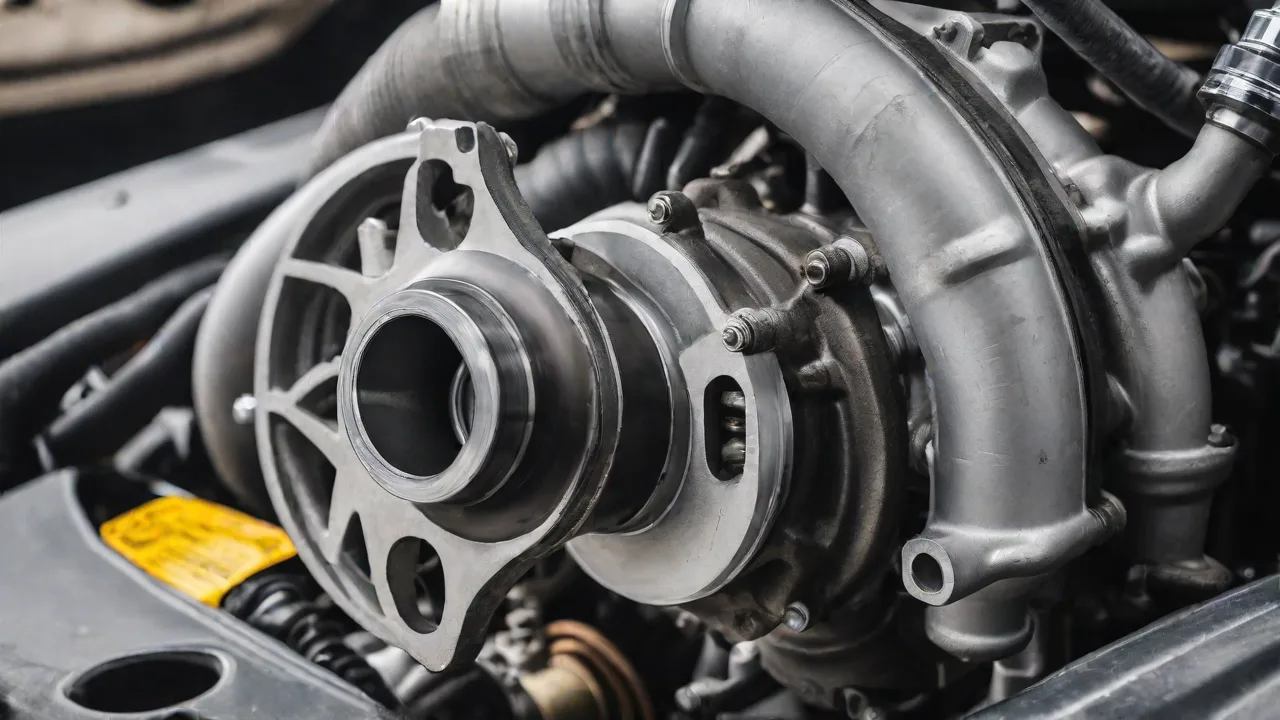
Everyday MINI Cooper R58 Turbocharger Troubleshooting and Maintenance Tips
The MINI Cooper R58, part of the second-generation MINI Coupe and Roadster lineup produced between 2012 and 2015, is renowned for its sporty handling and spirited turbocharged engine. Under the hood, it features a 1.6-liter turbocharged inline-4 powerplant that delivers a lively driving experience. However, like many turbocharged engines, the R58’s turbocharger system demands attentive care and maintenance to ensure longevity and consistent performance. Understanding the common issues, signs of wear, and effective maintenance strategies can help owners avoid costly repairs and keep their MINI running smoothly.
Understanding the MINI Cooper R58 Turbocharger System
The turbocharger in the R58 MINI Cooper functions by using exhaust gases to spin a turbine, which in turn compresses air entering the engine. This forced induction increases engine power and efficiency by allowing more air—and consequently more fuel—to enter the combustion chamber. While the turbocharger boosts performance, it also operates under extreme conditions involving high temperatures and rotational speeds, making it susceptible to wear and potential failure if not properly maintained.
The R58’s turbocharger is integrated with an intercooler system that cools the compressed air before it enters the engine, improving combustion efficiency and reducing the risk of engine knocking. Additionally, the turbo relies heavily on the vehicle’s oiling system for lubrication and cooling, highlighting the importance of proper oil maintenance.
Common Turbocharger Issues in the MINI Cooper R58
- Turbo Lag: Turbo lag is a noticeable delay between pressing the accelerator and the turbocharger providing boost pressure. In the R58, this can be caused by worn turbo components, clogged air filters, or restrictions in the intake system. Over time, buildup in the intercooler or pipes can reduce airflow, exacerbating lag.
- Boost Pressure Loss: Loss of boost pressure often points to leaks in the turbo system. These leaks may occur in intercooler pipes, vacuum hoses, or the wastegate. A faulty wastegate that fails to regulate exhaust flow properly can cause either underboost or overboost conditions, both of which negatively impact engine performance and fuel economy.
- Unusual Noises: Whining, rattling, or grinding noises from the turbocharger usually indicate mechanical wear such as deteriorated bearings, damaged turbine blades, or shaft play. These noises are often an early warning sign of impending turbo failure and should prompt immediate inspection.
- Excessive Smoke: Blue smoke from the exhaust typically signals oil leaking into the combustion chamber, which may be caused by worn turbo seals or piston rings. Black smoke, on the other hand, indicates an overly rich air-fuel mixture, often due to boost leaks or malfunctioning fuel injectors.
- Check Engine Light and Error Codes: Modern MINIs are equipped with sophisticated engine management systems that monitor turbo performance. If there is a malfunction, the ECU will trigger the check engine light and store diagnostic trouble codes (DTCs) related to boost pressure, wastegate operation, or turbo speed sensors.
Diagnosing Turbocharger Problems
Proper diagnosis is crucial to pinpoint the exact cause of turbocharger problems. A thorough visual inspection of hoses, clamps, and intercooler piping can often reveal obvious leaks or damage. Pressure testing the intake system can help identify hidden boost leaks. Additionally, using an OBD-II scanner to read stored error codes can narrow down issues related to the turbocharger or associated sensors. In cases of unusual noises, a mechanic may perform a turbo shaft play test or remove the turbo for detailed inspection.
Maintenance Tips for Turbocharger Longevity
Maintaining the turbocharger in your MINI Cooper R58 involves a combination of regular inspections, fluid upkeep, and driving habits geared toward protecting this high-performance component. Following these maintenance tips can significantly extend the life of your turbocharger and help maintain peak performance.
- Regular Oil Changes: Since the turbocharger relies heavily on engine oil for lubrication and cooling, it is vital to use high-quality synthetic oil that meets MINI’s specifications. Synthetic oils offer better thermal stability and flow characteristics, reducing the risk of oil coking and sludge buildup in the turbo bearings. Follow MINI’s recommended oil change intervals—typically every 7,500 to 10,000 miles or annually—and consider more frequent changes if you drive aggressively or in harsh conditions.
- Warm-Up and Cool-Down Procedures: Turbochargers operate at extremely high speeds and temperatures. To protect the turbo, allow the engine to idle for at least 30 seconds after startup before driving off aggressively. This warm-up period ensures that oil is properly circulating and the turbo is lubricated before it is put under load. Similarly, before shutting off the engine, especially after spirited driving, let the engine idle for about 60 seconds to allow the turbo to cool down gradually. This practice prevents oil from burning and coking inside the turbo’s bearing housing, which can cause premature failure.
- Inspect Hoses and Connections: Regularly check all intercooler pipes, vacuum lines, and hose connections for signs of cracks, leaks, or loose clamps. Leaks in these components can lead to boost pressure loss, reduced performance, and increased stress on the turbocharger. Replacing worn or damaged hoses promptly helps maintain system integrity and engine efficiency.
- Air Filter Maintenance: A clean air filter is essential to prevent debris from entering the turbocharger and causing damage to the compressor blades. Replace the air filter according to MINI’s maintenance schedule or sooner if you frequently drive in dusty or dirty environments.
- Use Quality Fuel: The turbocharged engine in the R58 performs best with high-octane fuel, which prevents knocking and pre-ignition that can damage the engine and turbo components. Using premium fuel as recommended by MINI helps maintain optimal combustion and prolongs engine health.
- Monitor Performance and Address Issues Promptly: Pay attention to any changes in throttle response, unusual noises, smoke, or warning lights. Early detection of turbocharger issues can prevent more extensive damage and expensive repairs. If you notice symptoms such as increased turbo lag, loss of power, or smoke, have your MINI inspected by a qualified technician immediately.
Additional Preventive Measures and Upgrades
For enthusiasts who push their MINI Cooper R58 to the limits or want to maximize turbocharger durability, several additional measures can be considered:
- Oil and Coolant Flushes: Periodic flushing of the oil and cooling systems helps remove contaminants that can harm the turbocharger. Clean coolant prevents overheating, and fresh oil provides better lubrication.
- Upgraded Intercooler and Piping: Aftermarket intercoolers with larger cores and improved cooling efficiency can reduce intake air temperatures and minimize turbo stress. Reinforced intercooler piping with better seals can decrease the likelihood of boost leaks.
- Turbo Timer Installation: A turbo timer allows the engine to idle for a preset period after the ignition is turned off, ensuring proper turbo cooldown. This is especially useful for drivers who frequently engage in spirited driving and may forget to idle the car manually.
- Performance Monitoring Tools: Installing gauges that monitor boost pressure, exhaust gas temperature (EGT), and oil temperature can provide real-time data to help drivers avoid conditions that could damage the turbocharger.
Common Myths and Misconceptions About Turbochargers
Many MINI Cooper owners have questions or concerns about turbochargers. It’s important to separate fact from fiction to maintain proper care:
- Myth: Turbochargers Always Fail Early. Fact: When properly maintained, turbochargers can last as long as the engine itself. Neglect and poor maintenance are the primary causes of premature turbo failure.
- Myth: You Should Always Let the Turbo Cool Down Before Shutting Off the Engine. Fact: While idling before shutdown is beneficial, especially after hard driving, modern synthetic oils and turbo designs are more resilient. Still, idling for about 30–60 seconds is a good habit to extend turbo life.
- Myth: Any Loss of Power Means a Turbo Failure. Fact: Loss of power can result from various issues including clogged air filters, fuel delivery problems, or sensor faults. A thorough diagnosis is necessary before concluding the turbocharger is at fault.
When to Seek Professional Help
While many routine checks and minor maintenance tasks can be performed by knowledgeable MINI owners, certain turbocharger issues require expert diagnosis and repair. If you experience persistent boost pressure loss, mechanical noises from the turbo, excessive smoke, or repeated check engine light warnings, it is advisable to visit a MINI specialist or a qualified automotive technician. They can perform comprehensive diagnostics, including pressure tests, turbo shaft play inspection, and electronic system scans.
Turbocharger repair or replacement can be costly, but addressing problems early often reduces repair expenses. Keep detailed maintenance records and adhere to MINI’s recommended service schedule to preserve your vehicle’s performance and resale value.
Summary
The turbocharger is a vital component of the MINI Cooper R58’s performance-oriented design. With its high-revving, turbocharged engine, the R58 delivers an exhilarating driving experience—but this comes with the responsibility of proper turbo care. By understanding common turbocharger issues such as turbo lag, boost leaks, unusual noises, and smoke, and by following essential maintenance tips like regular oil changes, proper warm-up and cool-down routines, and careful inspection of hoses and connections, MINI owners can ensure their turbocharger’s longevity and reliability.
Additional preventive measures and performance upgrades can further enhance turbocharger durability and engine efficiency. Ultimately, attentive ownership and prompt response to warning signs will allow the MINI Cooper R58 to perform at its best for many miles and years to come.